

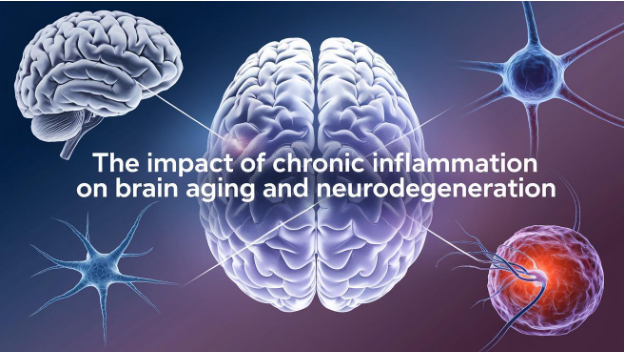
Chronic inflammation is a pervasive condition that accelerates brain aging and contributes to neurodegenerative diseases such as Alzheimer’s and Parkinson’s. Unlike acute inflammation, which is a short-term response to injury or infection, chronic inflammation persists over time, causing ongoing damage to neural cells and impairing cognitive function. Understanding the mechanisms by which chronic inflammation affects brain health, and leveraging interventions like Nicotinamide Adenine Dinucleotide, provides valuable strategies to mitigate its impact and support neurological resilience.
How Chronic Inflammation Accelerates Brain Aging
The brain is highly susceptible to inflammation due to its limited capacity for repair and its dependence on a delicate balance of neural signaling. Chronic inflammation disrupts this balance, leading to oxidative stress, mitochondrial dysfunction, and the accumulation of toxic proteins such as beta-amyloid and tau. These effects impair synaptic plasticity, the process that underlies learning and memory, and accelerate the loss of neural connections.
Microglia, the brain’s resident immune cells, play a central role in regulating inflammation. When activated by chronic inflammation, microglia shift from a protective role to a harmful one, releasing inflammatory cytokines that damage neurons and exacerbate neurodegeneration. This vicious cycle contributes to the cognitive decline seen in aging and neurodegenerative disorders.
The Role of NAD+ in Combating Brain Inflammation
NAD+ (nicotinamide adenine dinucleotide) is a vital coenzyme essential for energy production, DNA repair, and protecting cells from oxidative stress. NMN dosage (a precursor to NAD+) has shown potential in restoring NAD+ levels and mitigating the effects of chronic brain inflammation. By activating sirtuins, NAD+ plays a critical role in regulating inflammation and safeguarding neuronal health.
NAD+ also supports mitochondrial health, which is vital for neural function. Mitochondria generate the energy required for synaptic activity and repair, but chronic inflammation impairs their efficiency, leading to increased oxidative damage. By restoring NAD+ levels, interventions like NMN supplementation enhance mitochondrial function, reducing the inflammatory burden and preserving cognitive function.
What Does the Future Hold for Brain Health and Neuroprotection?
The connection between chronic inflammation and brain aging underscores the importance of proactive measures to protect neurological health. Advances in understanding the role of NAD+ and its precursors offer promising pathways for mitigating the impact of inflammation and slowing neurodegeneration. By integrating molecular strategies with lifestyle interventions, such as a nutrient-rich diet and regular exercise, it is possible to create a comprehensive approach to supporting cognitive resilience and improving quality of life across the lifespan.
